Scripture: Ezekiel 33:7-11
7 So you, mortal, I have made a sentinel for the house of Israel; whenever you hear a word from my mouth, you shall give them warning from me. 8 If I say to the wicked, “O wicked ones, you shall surely die,” and you do not speak to warn the wicked to turn from their ways, the wicked shall die in their iniquity, but their blood I will require at your hand. 9 But if you warn the wicked to turn from their ways and they do not turn from their ways, the wicked shall die in their iniquity, but you will have saved your life.
10 Now you, mortal, say to the house of Israel: Thus you have said: “Our transgressions and our sins weigh upon us, and we waste away because of them; how then can we live?” 11 Say to them: As I live, says the Lord God, I have no pleasure in the death of the wicked but that the wicked turn from their ways and live; turn back, turn back from your evil ways, for why will you die, O house of Israel. 12 And you, mortal, say to your people: The righteousness of the righteous shall not save them when they transgress, and as for the wickedness of the wicked, it shall not make them stumble when they turn from their wickedness, and the righteous shall not be able to live by their righteousness when they sin. 13 Though I say to the righteous that they shall surely live, yet if they trust in their righteousness and commit iniquity, none of their righteous deeds shall be remembered, but in the iniquity that they have committed they shall die. 14 Again, though I say to the wicked, “You shall surely die,” yet if they turn from their sin and do what is lawful and right— 15 if the wicked restore the pledge, give back what they have taken by robbery, and walk in the statutes of life, committing no iniquity—they shall surely live; they shall not die. 16 None of the sins that they have committed shall be remembered against them; they have done what is lawful and right; they shall surely live.
Questions
- What does it mean to be the sentinel of the people?
- Why does Ezekiel who has not participated in the sins identify with them by saying “our”?
- If God has no pleasure in death why is death the consequence of sin?
Background
Related Scriptures: Romans 13:8-14
Ezekiel is a prophet living in Babylon preaching to the Jewish refugees there around the time of the destruction of Jerusalem.
Caesarius of Arles: Let your charity believe devoutly and firmly that God never abandons a person unless he is first deserted by him. Although a person may have committed serious sins once, twice and a third time, God still looks for him.[1]
John Cassian: How can we imagine without grievous blasphemy that he does not generally will all men, but only some instead of all to be saved?[2]
Reflection
I often wonder how those people exiled in Babylon would have understood Ezekiel’s message. What would those refugees have thought when they heard the words, “I have no pleasure in the death of the wicked,” while they were being forced to live in the land of the wicked? How would they have understood Ezekiel’s warning that righteousness can be forfeited?
I imagine there would have been a strong temptation for the Jews to believe that God had abandoned them or that God was an extremely angry deity. After all, many of these people had likely been faithful to their religious obligations and had participated in the sacrifices at the Temple. If they had faithfully fulfilled their religious duties, why would God allow them to experience exile? This was the world into which Ezekiel was sent to speak.
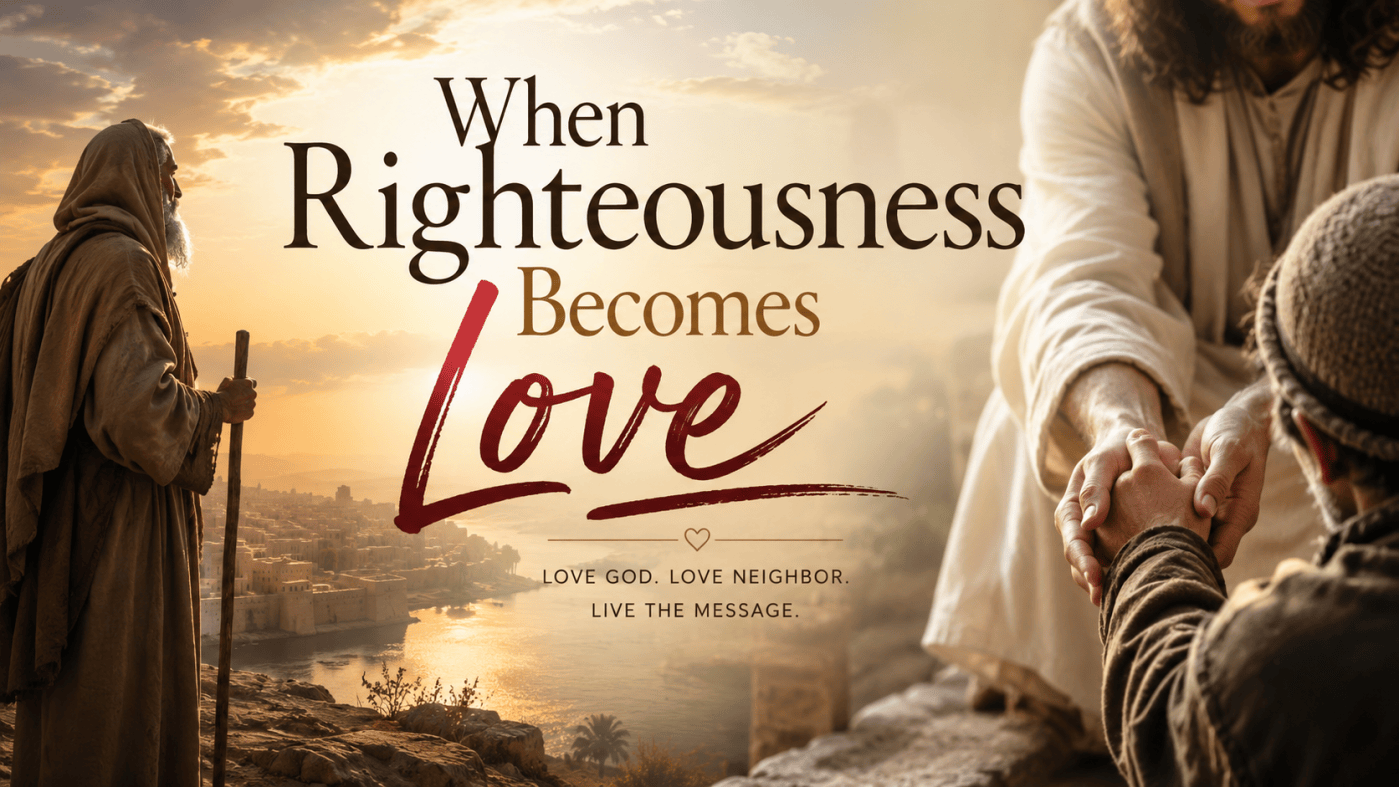
This is what makes Ezekiel’s message so important to me. He reminds people that religious duties alone are not enough. They cannot rely on the sacrifices they have offered if they continue to practice wickedness. Righteousness is not simply a matter of performing the right religious actions; it is also demonstrated in how we treat the people around us. This is the same message Paul gives to the Romans when he says, “Owe no one anything, except to love one another, for the one who loves another has fulfilled the law.” The Law is ultimately expressed not merely through religious duties but through the way we love our neighbors. I imagine that some of the people who heard Ezekiel’s words may have thought much like the Pharisee in Luke 18, who thanked God that he was not a sinner like the man standing next to him. Yet Ezekiel is challenging the people to recognize that their religious identity does not automatically make them righteous. In fact, they might be acting just as wickedly as the Babylonians if they fail to examine their own ways.
Paul gives us the same challenge. If we are not loving toward the people around us, then we are not practicing the Law in the way God desires. But this is not the end of Ezekiel’s message. He also emphasizes how deeply God loves even those who are wicked. God desires for the wicked to turn from their ways, to learn to love others, and to live according to the virtues God desires. God is patient and longsuffering, desiring that all people be saved and come to the knowledge of the truth (1 Timothy 2:3–4). This is what Paul means when he calls us to live in the day. The metaphor of living like Jesus is then spelled out through a list of behaviors that are opposed to the way of Christ. These behaviors are opposed to Jesus precisely because they fail to demonstrate the kind of love for God and neighbor that Jesus revealed as true righteousness.
This love for God and neighbor is the true righteousness that God called Ezekiel to proclaim. We proclaim this righteousness not simply through our words but through our actions. It is important to remember that love is not demonstrated merely by what we say. Love is experienced through our actions and through the attitudes we demonstrate toward other people.
Love means being willing to listen to others, including listening to how they respond to our words and actions. Love also means being patient with people when they do not conform to our wishes. We may want others to repent and live as we believe they should, but that does not mean they will. And we are called to love them anyway. Why? Because this is precisely how God treats both them and us. As God tells Ezekiel, God is patient with the wicked and gives them the opportunity to repent, turn from their ways, and find life and healing.
This means that when Paul calls us to live as Christ lives, there are at least two purposes. First, we are called to live in Christ so that we may find salvation and share life with him. Second, we are called to reflect the love of Jesus into the world so that others might see our example, find it compelling, and learn to live like Christ as well.
[1] Kenneth Stevenson and Michael Gluerup, eds., Ezekiel, Daniel, ACCS 101.
[2] Kenneth Stevenson and Michael Gluerup, eds., Ezekiel, Daniel, ACCS 101.


Leave a Reply