
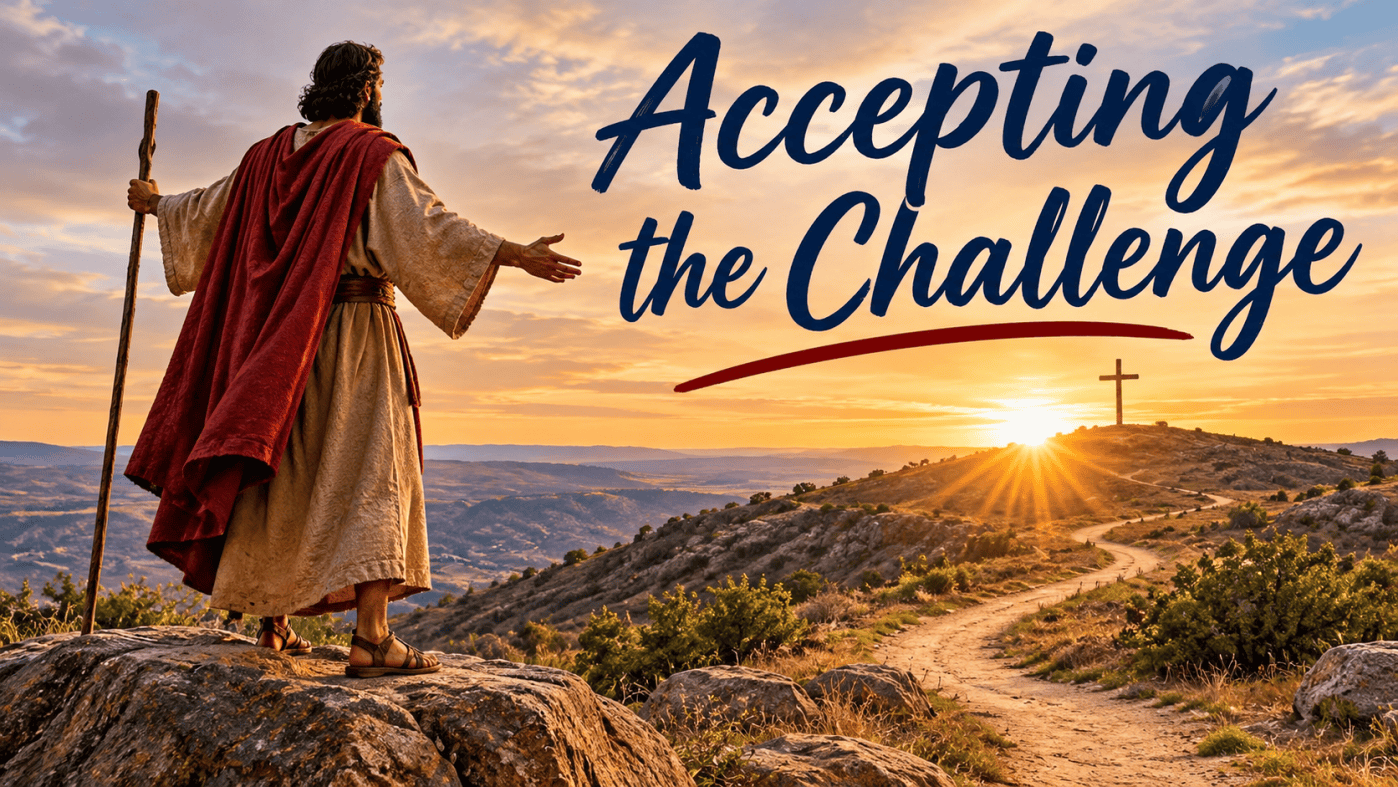
Scripture: Joshua 24:1–3a, 14–25
24 Then Joshua gathered all the tribes of Israel to Shechem, and summoned the elders, the heads, the judges, and the officers of Israel; and they presented themselves before God. 2 And Joshua said to all the people, “Thus says the Lord, the God of Israel: Long ago your ancestors—Terah and his sons Abraham and Nahor—lived beyond the Euphrates and served other gods. 3 Then I took your father Abraham from beyond the River and led him through all the land of Canaan and made his offspring many. I gave him Isaac;
14 “Now therefore revere the Lord, and serve him in sincerity and in faithfulness; put away the gods that your ancestors served beyond the River and in Egypt, and serve the Lord. 15 Now if you are unwilling to serve the Lord, choose this day whom you will serve, whether the gods your ancestors served in the region beyond the River or the gods of the Amorites in whose land you are living; but as for me and my household, we will serve the Lord.”
16 Then the people answered, “Far be it from us that we should forsake the Lord to serve other gods; 17 for it is the Lord our God who brought us and our ancestors up from the land of Egypt, out of the house of slavery, and who did those great signs in our sight. He protected us along all the way that we went, and among all the peoples through whom we passed; 18 and the Lord drove out before us all the peoples, the Amorites who lived in the land. Therefore we also will serve the Lord, for he is our God.”
19 But Joshua said to the people, “You cannot serve the Lord, for he is a holy God. He is a jealous God; he will not forgive your transgressions or your sins. 20 If you forsake the Lord and serve foreign gods, then he will turn and do you harm, and consume you, after having done you good.” 21 And the people said to Joshua, “No, we will serve the Lord!” 22 Then Joshua said to the people, “You are witnesses against yourselves that you have chosen the Lord, to serve him.” And they said, “We are witnesses.” 23 He said, “Then put away the foreign gods that are among you, and incline your hearts to the Lord, the God of Israel.” 24 The people said to Joshua, “The Lord our God we will serve, and him we will obey.” 25 So Joshua made a covenant with the people that day, and made statutes and ordinances for them at Shechem.
Questions
- What does it mean to serve the Lord in my daily life?
- Why would Joshua tell the people that they can’t serve the Lord and why does he characterize God in language so different from how God identifies in Exodus 34?
Background
Related Scriptures: Exodus 34:6-8; Matthew 7:13-14; Revelation22:8-15
When Joshua says the people cannot follow God it is a rhetorical device meant to highlight the inherent difficulties in following God.
Joshua and the people are enacting a covenant ceremony similar to the ones enacted under Moses’ leadership indicating each generation takes on the covenant for themselves.
Reflection
It does not say much about a leader if they have no confidence in the people they are leading. Clearly, someone who does not believe in the people they lead should not be in a position of leadership. That is why it seems strange that, as Joshua is saying his farewells to the people of Israel, he tells them, “You cannot serve the Lord.” Why would he say this after offering them the choice to serve the Lord? Why, when they seem so eager to serve God, would he appear to discourage them?
Does Joshua truly believe that the people of Israel are incapable of following God? No. Joshua is using a rhetorical device. He is not suggesting that Israel cannot serve God, even though they will certainly struggle and fail along the way. Instead, he is directing their attention to the sobering reality of what it means to follow God. Joshua is not interested in giving the people a false impression. He wants them to understand that serving the Lord carries greater responsibilities than serving the gods of the surrounding nations. Serving God comes at a cost.
Joshua does not want a commitment based on emotional excitement or temporary enthusiasm. He wants the people to make their decision with a clear understanding of what they are choosing. Following God requires more than simply saying the right words; it demands a genuine commitment to living according to God’s expectations.
Joshua’s challenge to the people is similar to Jesus’ call to enter through the narrow gate. Both are trying to help people understand that following God is not necessarily easy. God’s ways call us to practice a kind of love for our neighbors that will inevitably challenge our comforts, priorities, and desires.
Serving foreign gods might require making offerings or giving a portion of one’s wealth, but it generally demands little change in one’s heart or behavior. These are easier gods to serve: give them something of value, and in return, hope to receive their blessings. But Israel’s God is different. This God expects more than offerings. God calls people to care for one another, to seek the well-being of their community, and to shape their character around God’s own expectations.
This is what makes the gate Jesus describes in the Sermon on the Mount so narrow. Following God is not simply about what we give up or what we offer in worship. It is about becoming the kind of people who reflect God’s character in the way we live and treat others. The narrow gate is difficult because it calls us to a different way of life.
Like a good coach, neither Joshua nor Jesus says these things to tear people down. Instead, they challenge people to pursue greatness. Joshua acknowledges that following God’s ways may be difficult, but he declares that he and his household will remain committed. He does not use his words to browbeat others. Rather, he says, in effect, “I accept the challenge, and you are welcome to join me.”
We should not use the demands of following God as a weapon to chastise others. The challenge is real, but it is just that: a challenge – one for each of us to accept personally and to celebrate when others embrace it. Joshua’s message represents the real difficulty in living out a life dedicated to God, and the same can be said for Jesus’. It might not always be easy to live in the way that honors God, but that does not mean we give up. Rather, it means that we commit to following God with our whole heart, and mind. Accepting Joshua’s challenge to serve the Lord, is about me committing to live out God’s ideals, the way Joshua did and trying to be an inspiration to those who come after me the way Joshua was. I don’t threaten others with the narrow gate, I inspire them to find it. I do not condemn others for finding the path of service to God difficult, I show them they can do it. In the end I accept that Jesus has challenged me to follow through the narrow gate and the best I can do is inspire others to follow me.


Leave a Reply